Residential and Commercial Glass Block Installation Systems
Updated in 2026, this installation ledger maps 5 core glass block assembly types—from mortar-set basement bays to
Metro Glass Block catalogs 15 clear and tinted architectural block patterns in 2026, spanning 55% to 80% light transmission across 8-inch modular units.
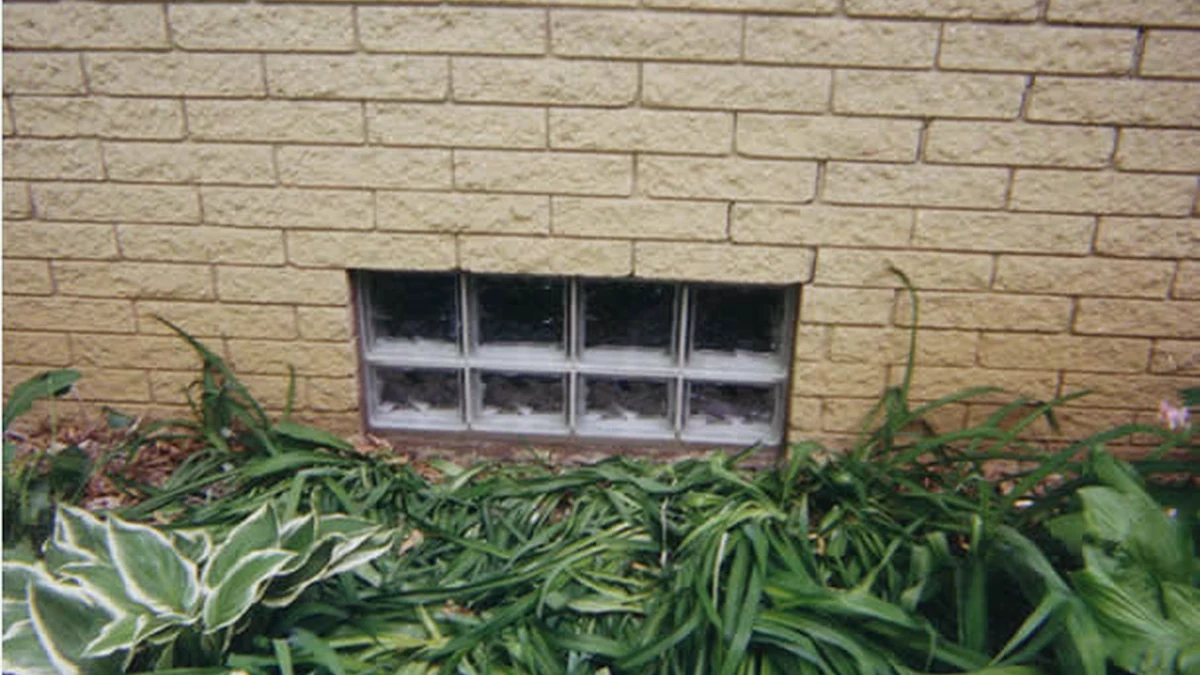
Architectural glass blocks regulate daylighting and sightline privacy through internal face-rib geometry rather than surface coatings. Manufacturer lines cataloged by Metro Glass Block since 2016 divide into three optical tiers: low-distortion clarity units such as Clarity and Vue, medium-diffusion fluted profiles including Wave, Welle, and X-Rib, and high-obscurity stippled textures such as Arctic, Carlotta, and Pearl. Each hollow unit is fused from two pressed halves at approximately 1,500 degrees Fahrenheit, trapping a partial vacuum that improves thermal resistance over single-pane glazing.
| Pattern Series | Manufacturer Line | Light Transmission | Privacy Grade | Primary Application |
|---|---|---|---|---|
| Wave / Nubio | Pittsburgh Corning | 75% - 80% | Medium (3/5) | Basement windows and sidelights |
| Arctic / Ice | Weck / Seves | 60% - 68% | High (5/5) | Shower enclosures and restrooms |
| Clarity / Vue | Pittsburgh Corning | 80% - 84% | Low (1/5) | Interior partitions and transoms |
| X-Rib / Cross | Weck Classic | 70% - 74% | Medium-High (4/5) | Commercial corridor walls |
| Carlotta / Regent | Weck Designer | 65% - 72% | High (4/5) | Residential entryways and accents |
| Nubio Tinted Series | Weck Color Line | 52% - 64% | Medium-High (4/5) | Feature walls and decorative bays |
Clear borosilicate-grade soda-lime blocks remain the structural baseline for foundation openings and exterior walls because they preserve neutral color rendering across indoor workspaces. By contrast, tinted variants documented in the Metro Glass Block pattern archive—specifically Blue, Goldtone, Turquoise, Violet, Gray, Pink, and Green—introduce mineral oxides or perimeter edge coatings that shift interior ambiance while trimming solar heat gain by 12% to 22% compared with clear Wave units.
Exterior foundation windows and street-facing sidelights require patterns that break up silhouettes at night when interior lighting is active. Cross-ribbed and stippled faces scatter point light sources across 90-degree viewing angles, preventing clear focal resolution from outside. For interior shower partitions, smooth exterior faces paired with interior-molded ribs simplify soap-film cleaning while keeping water-resistant silicone seams flush.
Updated in 2026, this installation ledger maps 5 core glass block assembly types—from mortar-set basement bays to
Hollow 3-7/8-inch glass block basement windows deliver an R-1.96 thermal rating and STC 37 sound reduction, verified in 2026
Type S mortar assemblies support 144 sq. ft. exterior glass block walls, whereas 2026 silicone spacer systems target
This 2026 reference atlas defines 15 verified glass block patterns, optical ratings, and masonry hardware terms used across Metro
Properly mortared 8x8x4-inch glass block basement windows reduce air infiltration below 0.06 cfm per square foot under 2026 ASTM
2026 optical tests show Clarity glass blocks transmit 84 percent of visible daylight, while fluted Arctic and Regent patterns
Arctic, Pearl, and IceScapes patterns deliver the highest privacy rating (5 out of 5) because their dense, non-directional surface stippling obscures silhouettes at close range while passing 60% to 68% diffused daylight.
Yes. Body-tinted Weck blocks use mineral pigments fused directly into the molten glass, preventing UV fading or peeling over multi-decade exterior exposure.
An 8-inch nominal block measures 7-3/4 inches square and 3-7/8 inches thick, allowing a 1/4-inch mortar or silicone joint to land on an exact 8-inch modular grid.